Dental Examinations
Examinations help identify changes involving the teeth, gums, bite, existing restorations, and other areas of the mouth.
A general dentist helps patients prevent dental problems, understand changes in their oral health, restore damaged teeth, respond to urgent concerns, and make informed decisions about long-term dental care.
General dentistry includes much more than treating a tooth after it begins to hurt. A general dentist evaluates the teeth, gums, bite, previous dental work, symptoms, and risk factors that may influence oral health.
Through routine examinations, preventive care, diagnosis, treatment planning, restorative treatment, and patient education, a general dentist helps patients maintain healthy teeth and make informed decisions when problems develop.
The goal is not simply to repair individual teeth.
General dentistry considers how the teeth, gums, bite, restorations, habits, and overall health work together over time.
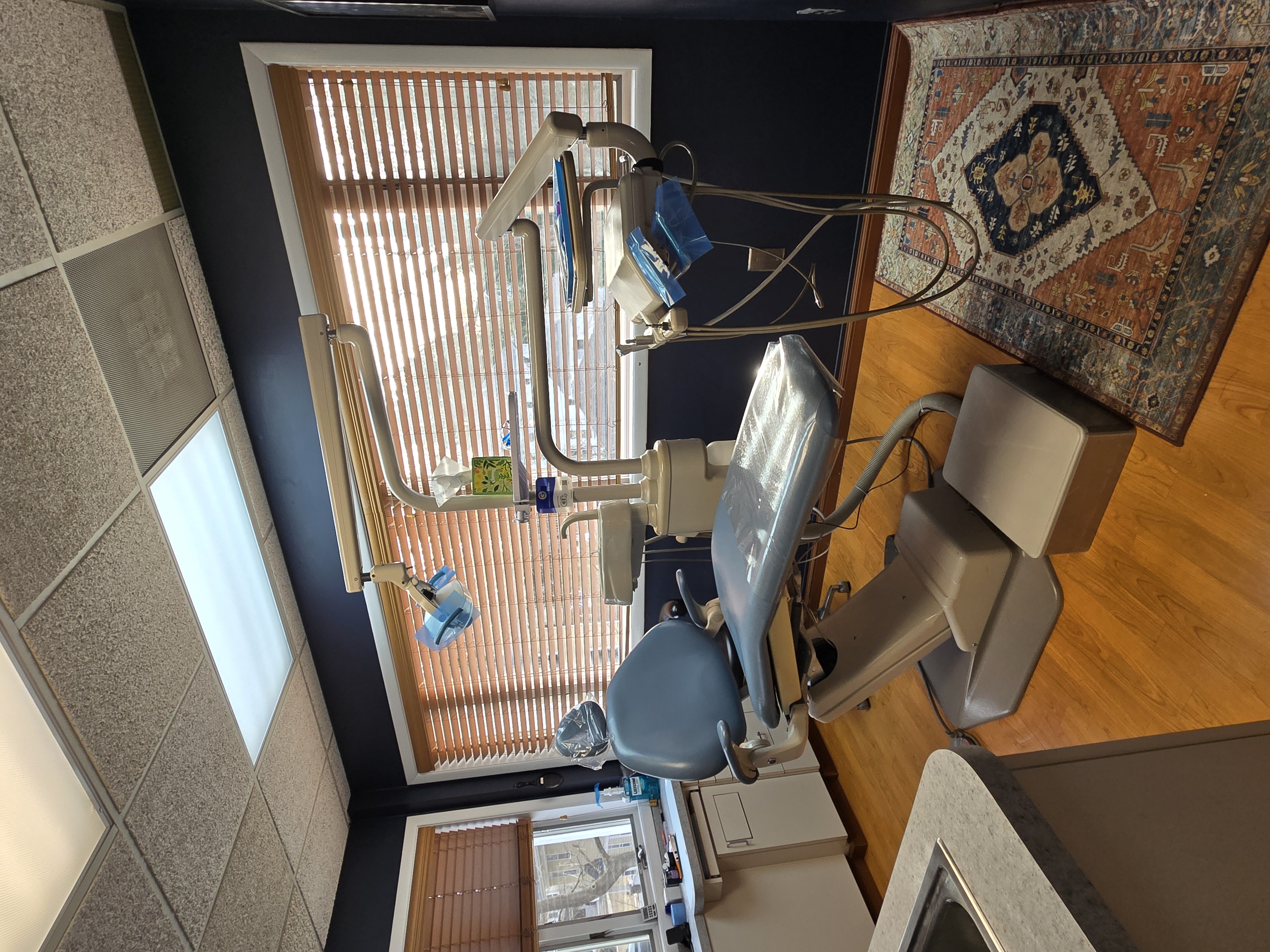
The exact services available vary by practice and patient needs, but general dentistry commonly includes prevention, diagnosis, treatment planning, restoration, urgent evaluation, and ongoing monitoring.
Examinations help identify changes involving the teeth, gums, bite, existing restorations, and other areas of the mouth.
Preventive care is intended to reduce the risk of decay, gum disease, tooth loss, and complications that may require more extensive treatment.
When symptoms or visible changes develop, the dentist works to determine the cause and explain the available treatment options.
Damaged, decayed, weakened, or previously restored teeth may need treatment designed to improve health, function, and stability.
A general dentist may evaluate tooth pain, broken teeth, swelling, dental trauma, lost restorations, and other urgent concerns.
General dentists help patients understand which concerns need immediate attention and which can be monitored or addressed in stages.
Many dental problems begin quietly. Early decay, gum inflammation, cracks, worn restorations, bite stress, and enamel wear may not cause pain at first.
Routine dental visits create opportunities to identify changes before they become more difficult or uncomfortable to treat. Preventive care also gives patients a chance to ask questions about brushing, flossing, diet, sensitivity, dry mouth, grinding, and other concerns.
A small dental concern may sometimes be easier to manage than the same problem after additional tooth structure has been damaged.
Regular monitoring does not guarantee that every dental problem can be prevented, but it gives patients and their dentist more information and more opportunities to respond appropriately.
The treatment recommendation depends on the diagnosis, the amount of healthy tooth structure remaining, the condition of the gums and supporting tissues, symptoms, previous treatment, and long-term prognosis.
The first step is determining whether the concern is related to decay, wear, fracture, infection, gum health, bite pressure, or another factor.
When more than one treatment approach is available, the dentist can explain the purpose, limitations, and considerations associated with each option.
Pain, infection, structural damage, or the risk of further deterioration may influence which treatment should be completed first.
When possible, treatment planning considers how to retain healthy tooth structure while restoring function and stability.
The color, shape, position, and visibility of a tooth may be considered when planning restorative care.
Restored teeth and existing dental work should be monitored over time for changes in comfort, fit, function, or condition.
General dentists often evaluate urgent dental problems such as severe tooth pain, broken teeth, swelling, dental trauma, loose or lost restorations, and sudden changes in the mouth.
The first priority is to identify the cause, determine whether immediate treatment is needed, and explain the appropriate next step. Some emergencies can be treated directly, while others may require additional treatment or referral.
If you are experiencing significant pain, swelling, a broken tooth, or another urgent concern, contact the dental office promptly for guidance.
The details of each appointment depend on the reason for the visit, but a general dental evaluation commonly includes a review of symptoms, oral health history, current concerns, and clinical findings.
Tell the dentist about pain, sensitivity, changes in chewing, cosmetic concerns, previous treatment, or anything else you have noticed.
Previous procedures, dental anxiety, medical conditions, medications, and past experiences may influence treatment planning.
The dentist evaluates the teeth, gums, bite, visible restorations, and areas associated with the patient's symptoms or concerns.
Patients should have an opportunity to understand what was identified and why treatment or monitoring may be recommended.
The dentist can review the potential benefits, limitations, timing, and sequence of appropriate treatment options.
The resulting plan may include preventive care, treatment of an active concern, monitoring, or additional evaluation.
General and cosmetic dentistry often overlap. A restoration may need to improve the health and function of a tooth while also considering its color, shape, proportion, and visibility in the smile.
Some general dentists also provide cosmetic services or help patients explore treatment options for discoloration, uneven teeth, worn restorations, spacing, or other appearance-related concerns.
Professional teeth whitening is one example of a cosmetic service patients may investigate when they want to brighten their smile.
A strong treatment plan should not ignore oral health in pursuit of appearance. Existing decay, gum disease, structural damage, or bite concerns may need to be addressed before or alongside cosmetic treatment.
Learn more about professional teeth whitening cost in Ridgewood, NJ .
Clinical knowledge matters, but so does communication. Patients should feel that their concerns are heard and that treatment recommendations are explained clearly.
Patients benefit from having an opportunity to ask why treatment is recommended and what alternatives may exist.
Dental findings and treatment options should be discussed in understandable language.
The treatment plan should reflect the patient's oral condition, priorities, and realistic clinical needs.
A useful treatment plan considers the patient's history, concerns, comfort, risk factors, and goals.
General dentistry should help patients understand both current problems and potential future needs.
Knowing where to turn when pain, injury, or a broken tooth occurs can provide reassurance.

Dr. John Aston is an invigorated and enthusiastic dentist treating patients in Ridgewood, New Jersey, and the surrounding communities.
His primary goal as a practitioner is to exceed the expectations of each patient. He takes time with patients before scheduling a procedure so that their concerns and needs can be understood.
Dr. Aston also provides an honest opinion of each patient's oral condition and works with patients to help them receive the care they need.
Call (201) 444-1048Learn about urgent dental concerns and when to contact a dentist for prompt evaluation.
Learn More →Learn what to do when a tooth cracks, breaks, or loses a portion of its structure.
Learn More →Review common dental emergencies and appropriate steps to take while arranging professional care.
Learn More →Learn about prompt dental evaluation when pain or another urgent concern develops.
Learn More →Find answers to common questions about pain, swelling, broken teeth, and urgent dental visits.
Learn More →Learn about options for patients seeking prompt evaluation of a sudden dental problem.
Learn More →Learn about factors that may affect the cost of professional teeth whitening in Ridgewood.
Learn More →These answers provide general educational information. A personal examination is necessary for diagnosis and individualized treatment recommendations.
A general dentist evaluates oral health, helps prevent dental disease, diagnoses dental problems, develops treatment plans, restores damaged teeth, evaluates urgent concerns, and coordinates additional care when needed.
The appropriate visit schedule depends on your oral health, previous treatment, medical history, gum condition, decay risk, and other individual factors. Your dentist can recommend a schedule after evaluating your needs.
Yes. Some dental problems do not cause pain during their early stages. Routine examinations give the dentist an opportunity to identify changes and discuss preventive care before symptoms become more noticeable.
General dentists commonly evaluate tooth pain, swelling, broken teeth, dental trauma, lost restorations, and other urgent concerns. The appropriate treatment depends on the diagnosis and severity of the condition.
Contact a dentist promptly. Avoid chewing on the affected side, save any broken pieces if possible, and seek guidance about protecting the tooth until it can be evaluated. Severe pain, swelling, or uncontrolled bleeding requires prompt attention.
Many general dentists provide selected cosmetic services or consider appearance when planning restorative treatment. Available procedures vary by practice and the patient's oral health and goals.
Yes. Sensitivity may be related to enamel wear, exposed roots, decay, cracks, gum recession, bite pressure, or other causes. An examination is needed to determine the reason for the sensitivity and the appropriate response.
Severe, persistent, or worsening pain should be evaluated promptly, especially when accompanied by swelling, fever, trauma, difficulty biting, or a bad taste or drainage.
Look for a dentist who listens to your concerns, explains findings clearly, provides honest treatment recommendations, and gives you an opportunity to understand your options before scheduling care.
Whether you need a routine evaluation, have questions about your oral health, or are experiencing a sudden dental concern, contact Aston Dental to schedule an appointment with Dr. John D. Aston.